
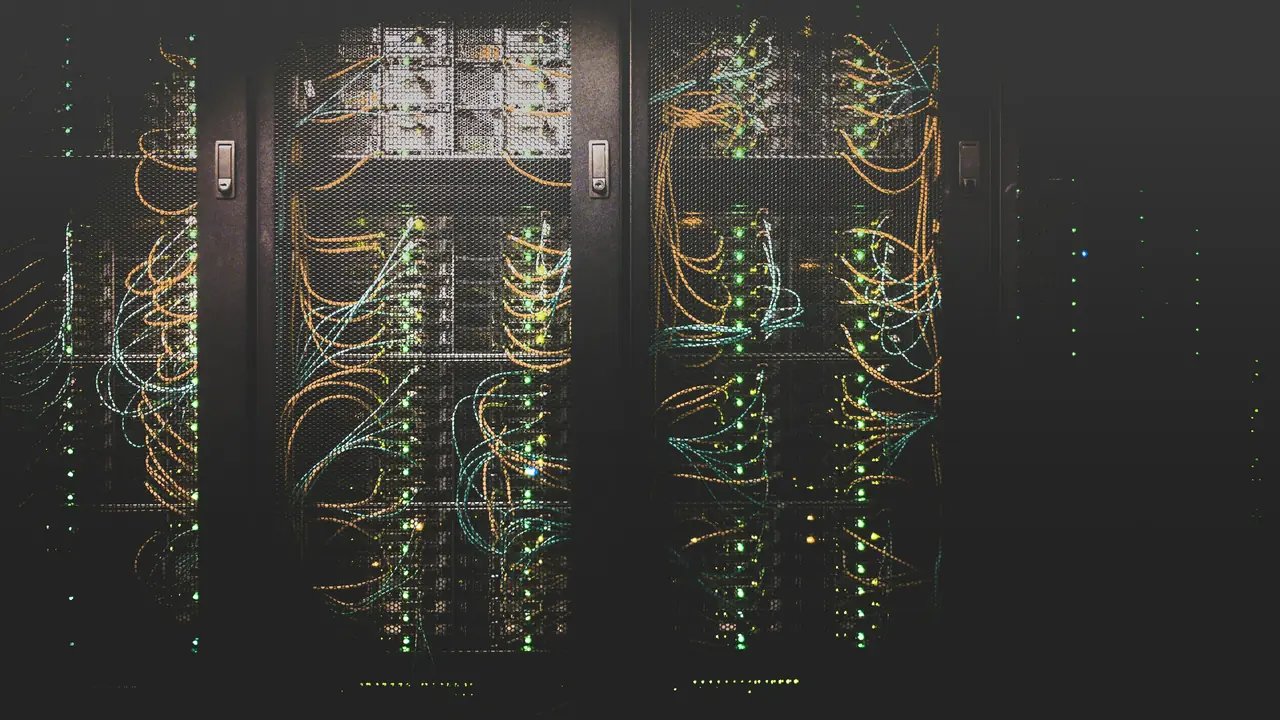
Data Centers and Infrastructure
Engineers on your colocation floor, without flying anyone in.
Colocation selection and move-in, remote and smart hands, installs, moves, cabling and hardware swaps, and cross connects coordinated with the operator.
Sound familiar
Where this usually starts.
Equipment in a colocation facility still needs hands: a failed drive replaced, a server racked, a cross connect patched, a console attached at two in the morning. Our engineers have worked on the floors of large colocation facilities and know how those environments run, from access procedures and change windows to cage standards and operator ticketing. We act as your team on site, following your runbooks and documenting every visit.
Scope
What is included.
-
Colocation selection
Facilities compared on power, connectivity, location, compliance and cost.
-
Move-in and buildout
Cage layout, racks, power, cabling and network installed and documented.
-
Smart hands
Diagnosis, hardware swaps, installs and moves by engineers who understand the equipment.
-
Remote hands
Reboots, visual checks and simple tasks on request.
-
Cross connects
Carrier and cloud connections ordered, tested and recorded with the operator.
-
Audit and documentation
Cage, rack and cabling audits brought up to date.
Reference architecture
From the hall to the rack to the GPU.
Colocation and smart hands operate the data hall and the operate layer of the data center architecture: engineers on the floor, and the monitoring and DCIM that show them what needs attention.
What this service delivers here
-
Data hall
Layout, containment and physical security, in your building or a colocation site.
-
Monitoring and DCIM
Power, temperature and hardware health, per rack, around the clock.
-
Smart hands
Engineers on the floor for installs, swaps and checks, with a work record each time.
Before you start
Decisions to settle early.
-
Which facility
Power, connectivity, location, compliance and price all matter, and the weighting depends on what you run. The comparison makes it explicit.
-
Retainer or call-out
A retainer guarantees response; call-out suits occasional work. Critical estates usually need the retainer.
-
Which spares to hold
Holding spares on site speeds repairs but ties up capital. The kit covers the parts most likely to fail.
Approach
How the work runs.
-
Survey
Cage, equipment and procedures
-
Document
Runbooks, access and escalation
-
Respond
Planned and urgent work on site
-
Record
Every visit logged with evidence
Commercials
How it is bought.
-
A fixed-fee assessment
We survey your space, audit racks, power and cabling against your records, and review access procedures. You receive the corrected documentation and a fixed price for onboarding.
-
A fixed-price build
Move-in and buildout, or onboarding of an existing space, with runbooks and escalation agreed, priced before work starts.
-
Running it afterwards
Smart hands then run on a monthly retainer, with response terms agreed and every visit recorded.
Start with the assessment.
Worked example
A cage far from its own engineers.
Say a trading firm runs equipment in a colocation facility in another city. The operator's remote hands follow instructions but cannot diagnose, so every fault means an engineer travelling overnight.
-
Survey
We visit the cage, audit racks, power and cabling against the firm's records, and correct the documentation where the two differ.
-
Document
Runbooks for common tasks, access arrangements with the operator and escalation contacts are agreed with the firm.
-
Respond
When a server fails, our engineer diagnoses it on site, replaces the faulty part from the spares held and confirms service with the firm.
-
Record
Each visit is logged with photographs and the updated documentation, so the firm sees exactly what was done.
At the end, the firm's engineers stay where they are, faults are diagnosed by someone standing at the rack, and the documentation matches the cage.
An illustration
Where it goes wrong
What we design out.
-
Remote hands that cannot diagnose
Following instructions is not the same as finding a fault. Our engineers diagnose at the rack.
-
Documentation that drifts
Every undocumented change makes the next visit slower. Records are updated after each visit.
-
Access arranged at the last minute
An urgent visit blocked at the door wastes the hours that matter. Access lists are maintained in advance.
Outcomes
What it changes.
-
Faster fixes on site
Engineers who can diagnose, not just follow instructions, shorten every hardware incident.
-
A cage that is documented
Racks, cabling and cross connects are recorded, so changes are safe.
-
Moves that happen on time
Move-ins and migrations are planned around the operator's procedures from the start.
How you will know it is working
- Problems are diagnosed on site rather than by trial and error.
- Every visit leaves a record with photographs.
- Cage documentation matches the cage.
- Your own engineers travel only when they choose to.
You keep
What you have at the end.
Handover pack
five items
- Facility comparison and selection report Candidate facilities compared on power, connectivity, location, compliance and cost, with a recommendation.
- Cage and rack documentation The layout, rack contents, power and cabling of your space, kept current after every change.
- Access and escalation procedures Who may enter, how visits are booked, and who is called for each kind of problem.
- Work records with photographs for every visit What was done, by whom and when, with photographs before and after.
- Cross connect register Every cross connect with its operator reference, endpoints, purpose and test result.
The team
Who you work with.
-
Data center engineer
Works on the floor for installs, swaps and diagnosis.
-
Facility coordinator
Manages access, visit booking and cross connects with the operator.
-
Documentation owner
Keeps cage, rack and cabling records current after every visit.
What we need from you
- Access approval for our engineers at the facility.
- Runbooks or instructions for common tasks.
- Your escalation contacts and priorities.
- Existing documentation of the cage, however old.
Planned for the load it will carry in five years, not the one it carries today.
Questions
Questions we get asked.
Which facilities do you work in?
Carrier-neutral and provider facilities, coordinated through each operator's access, ticketing and change procedures. Coverage in a specific facility is confirmed before an agreement is signed.
What is the difference between remote hands and smart hands?
Remote hands are simple tasks done to instruction, such as a reboot or a visual check. Smart hands need engineering judgment: diagnosing a fault, replacing components or changing configuration. Both are available, and the difference matters when something is wrong at night.
Can you help us choose a colocation provider?
Yes. We compare facilities on power density, cooling, carriers and cloud on-ramps, resilience, certifications, location and contract terms, against your requirements.
How do we know what was done on a visit?
Every visit produces a work record with times, actions, parts and photographs, linked to the request that started it.
Can you hold spare parts for our equipment?
Yes. A kit of the parts most likely to fail, such as drives, power supplies and optics, can be stored at or near the facility so a replacement does not wait for a delivery. The kit is recorded and replenished after each use.
How do your engineers get access to our cage?
Through the operator's access process, with our engineers named on your access list and visits booked under the facility's rules. Access is limited to the people you approve, and every visit is recorded by the operator as well as by us.
Can you manage a move into a new colocation suite?
Yes. We plan the cage layout, install racks, power, cabling and network, coordinate cross connects with the operator and document everything before your equipment arrives. The move itself is planned the same way as a data center migration.
Do you work out of hours?
Yes. Planned work is usually scheduled in your maintenance windows, and urgent work is handled whenever it is needed, subject to the response terms in your agreement and the facility's access rules.
Ask about your situation
Answered from this site, with its sources.
Where it is bought
Colocation, remote and smart hands, by sector and region.
Sectors that buy Data Centers and Infrastructure

Often paired with
What usually comes next.
- Data Centers and Infrastructure
Data center migration and relocation
Workloads and hardware moved with a rollback plan for every step. - Networking
Interconnection and cloud on-ramps
Private links to clouds, carriers and partners from your racks. - Data Centers and Infrastructure
Servers, storage and hardware engineering
Hardware engineered down to firmware, BIOS and board level.
CONTACT
Cover for every rack you cannot reach yourself.
Tell us where your equipment lives and what it needs. We will propose cover on site and the runbooks behind it.
- Senior-led
- Accountable
- Direct
- Fixed-price options
- Compliance-ready
- 24/7 capable
Prefer to talk it through? Call +92 (333) 32 11011
What happens next
-
You pick the time
Tell us which facility you are in and what equipment is there; we arrange the call when it suits you.
-
Thirty minutes, with an engineer
A data center engineer discusses the tasks you need covered and how fast.
-
A written assessment
It takes the form of a proposal, with the onboarding plan and response terms.